Relief Built on Movement Rehabilitation Strategies
Back Pain and Sciatica Treatment in Boise for nerve-related symptoms and low back limitations
Sharp pain radiating down your leg or persistent low back discomfort that worsens with certain movements indicates nerve involvement or structural stress that benefits from early intervention. Treatment for low back pain and sciatica at Advance Physical Therapy uses movement-based rehabilitation combined with pain reduction strategies that address both the immediate symptoms and the underlying mechanical causes. The process begins with determining whether your symptoms stem from nerve compression, disc irritation, or muscular dysfunction.
Your treatment emphasizes improving flexibility in restricted areas, building strength in muscles that support spinal stability, and developing core stability that reduces stress on vulnerable structures. Education focuses on movement patterns and positions to avoid during recovery, helping reduce the likelihood of symptom recurrence once your back function improves.
Begin treatment before symptoms progress to more severe functional limitations.
What Proper Back Rehabilitation Requires
Movement-based rehabilitation involves exercises that progressively load your spine as tissue tolerance improves, starting with movements that do not provoke nerve symptoms and advancing to functional activities that replicate your daily demands. Pain reduction strategies are applied during phases when inflammation or nerve irritation limits your exercise tolerance, allowing rehabilitation to continue even when symptoms fluctuate.
Comfortable daily movement returns as your flexibility improves in directions previously limited by pain, strength develops in muscles that were inhibited or underused, and nerve-related radiating symptoms diminish as compression or irritation decreases. Your tolerance for sitting, standing, and bending improves measurably as treatment progresses.
The timeline for improvement varies based on symptom duration before starting treatment, severity of nerve involvement, and consistency with the exercise program between sessions. Some patients require modifications to work or activity levels during early treatment phases, while others maintain most activities with adjustments to movement technique.
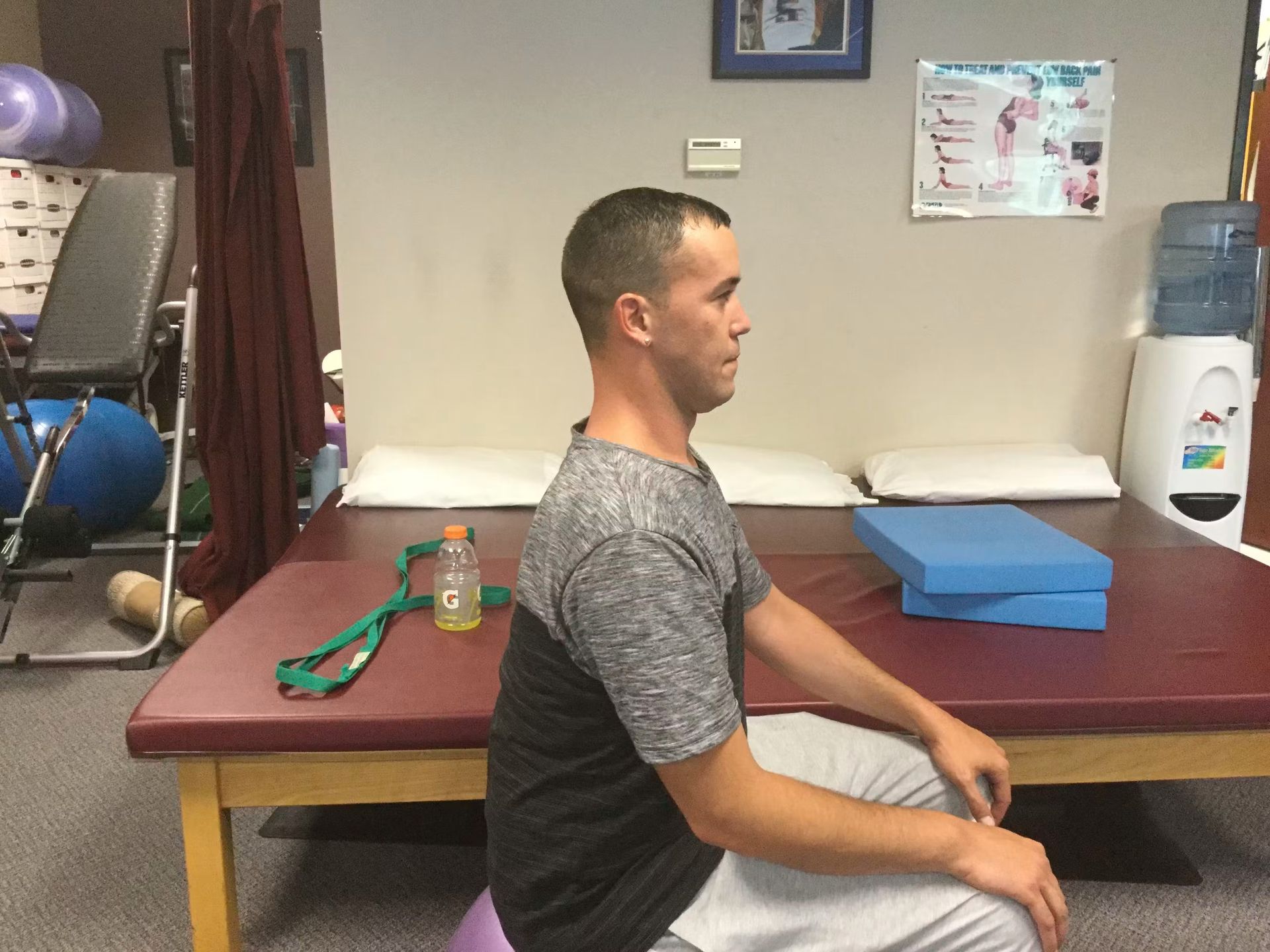
Understanding how sciatica treatment differs from general back pain management and what to expect during recovery helps patients engage more effectively with their rehabilitation.
How is sciatica treatment different from other back pain therapy?
Sciatica involves nerve symptoms like radiating leg pain, numbness, or tingling, requiring specific assessment of nerve tension and compression points, with exercises selected to reduce neural irritation while improving spinal mechanics.
What does core stability training actually involve?
You learn to engage deep stabilizing muscles that support your spine during movement, progressing from simple holds to dynamic exercises that replicate bending, lifting, and twisting activities you perform daily.
Why does flexibility matter for nerve-related symptoms?
Tightness in hip and leg muscles can increase tension on the sciatic nerve, and limited spinal mobility forces certain segments to move excessively, both of which can perpetuate nerve irritation even after initial inflammation subsides.
When should you start treatment after back pain begins?
Intervention within the first few weeks prevents movement compensations from becoming habitual and reduces the risk of acute episodes becoming chronic conditions, particularly when nerve symptoms are present.
How does education reduce recurrence after recovery?
You learn which movements and postures contributed to your condition, how to modify high-risk activities, and what early warning signs indicate you should adjust your activity level before symptoms return fully.
Common Questions About Back Treatment
Advance Physical Therapy tailors back pain and sciatica treatment to your specific symptoms and functional goals. Arrange an evaluation to determine which rehabilitation strategies address your condition.