Structured Recovery Before and After Surgery
Pre and Post Surgical Rehabilitation in Boise for patients preparing for or recovering from orthopedic procedures
Orthopedic surgery outcomes improve significantly when patients enter procedures with optimized strength, mobility, and tissue condition—a concept called prehabilitation. Advance Physical Therapy works with patients before scheduled surgeries to address modifiable factors that influence healing and recovery speed. Pre-surgical therapy reduces swelling, maintains muscle strength in ranges surgery won't directly affect, and teaches exercises and movement techniques you'll need immediately after the procedure. Entering surgery with better baseline function translates to faster return of independence and shorter overall recovery timelines.
Post-operative rehabilitation follows protocols specific to your procedure type and physician's guidelines while adapting progression to your individual healing response. Treatment begins with protecting healing tissues while preventing complications like excessive scar tissue formation or muscle atrophy. As healing advances through predictable stages, therapy systematically restores range of motion, rebuilds strength, and retrains movement patterns affected by the surgical intervention. Your program coordinates with your referring physician to ensure rehabilitation supports optimal surgical outcomes.
Schedule therapy before your upcoming procedure to optimize your pre-surgical condition and establish your post-operative care plan.
What Changes After Surgical Rehabilitation
Post-operative therapy progresses through distinct phases aligned with tissue healing biology. Initial treatment focuses on controlling inflammation, maintaining mobility in joints not directly affected by surgery, and gentle movement in protected ranges for the surgical site. As tissue tensile strength increases, therapy advances to active range of motion exercises, then progressive resistance training that rebuilds muscle lost during the protection phase. Later stages emphasize functional movement patterns and preparing tissues for the specific demands of your daily activities or sport.
Successful rehabilitation produces observable improvements in capability that emerge as healing allows. Pain that initially limited what positions you could achieve or how much weight you could bear gradually resolves as inflammation subsides and tissues gain strength. Range of motion that surgery immediately restricted returns through staged stretching and joint mobilization, allowing you to reach, bend, or rotate as you did before injury developed. Strength in the affected limb rebuilds until you can perform daily tasks—walking, climbing stairs, lifting objects—without compensating through other body parts or experiencing fatigue that limits activity duration.
Therapy also manages expectations about realistic timelines for returning to various activities. Different tissues heal at different rates—bone, tendon, ligament, and cartilage each require specific time periods before tolerating increasing loads. Your program respects these biological constraints while progressing as quickly as healing safely allows. Pushing beyond appropriate progression stages risks re-injury or surgical failure, while advancing too conservatively delays return to normal life unnecessarily.
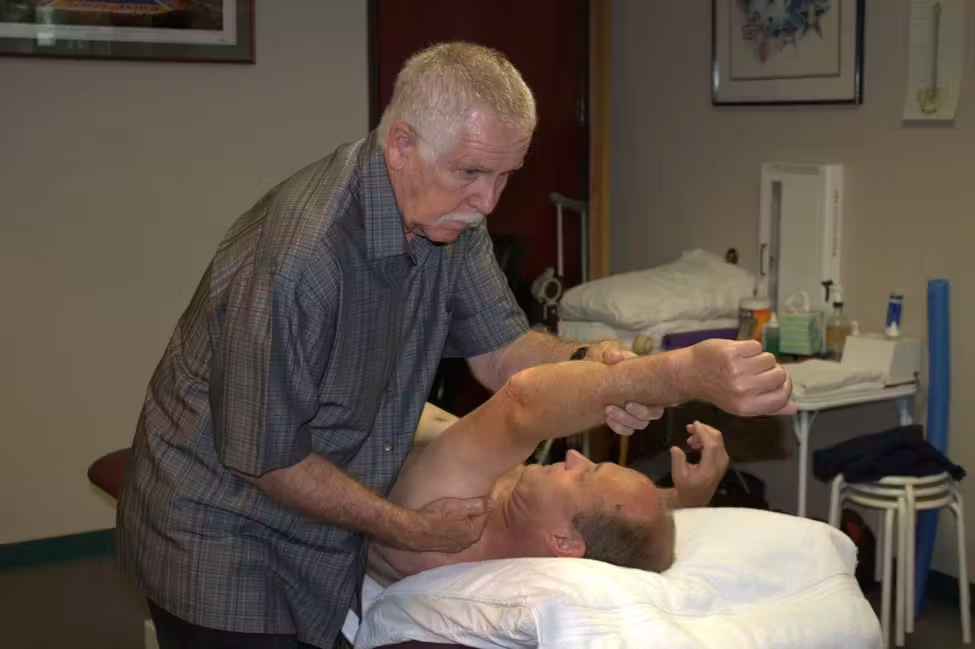
Understanding what happens before and after orthopedic surgery helps patients prepare mentally and physically for the recovery process ahead.
What does pre-surgical therapy accomplish?
Prehabilitation strengthens muscles that will support the joint after surgery, improves cardiovascular fitness to aid healing, and reduces pre-existing inflammation or swelling. Patients learn post-operative exercises and functional techniques—like using assistive devices or getting in and out of bed safely—before surgery when learning is easier than immediately after a procedure. Better pre-surgical condition correlates with faster achievement of rehabilitation milestones and shorter hospital stays when procedures require admission.
How are post-operative protocols determined?
Surgeons provide specific guidelines based on procedure type, surgical technique used, and tissue quality encountered during surgery. Protocols specify timeline restrictions for weight-bearing, range of motion limits during healing phases, and when specific exercises can begin. Therapists follow these physician-directed protocols while individualizing exercise intensity, repetitions, and functional training to your specific recovery response and goals.
Why does therapy begin so soon after some surgeries?
Early mobilization prevents complications like excessive scar tissue adhesions, joint stiffness from prolonged immobilization, and muscle atrophy that makes later strengthening more difficult. Controlled movement within protected ranges during initial healing actually improves tissue quality by promoting proper collagen alignment as wounds heal. The key is appropriate movement—enough to prevent complications without stressing healing tissues beyond their current tolerance.
What happens if recovery isn't progressing as expected?
Therapists monitor whether you're meeting typical milestones for your procedure and timeline post-surgery. If progress lags—persistent swelling, limited motion improvement, or unusual pain patterns—communication with your surgeon determines whether the issue represents normal variation or requires medical evaluation. Some patients heal faster or slower than average based on age, health status, and tissue quality, but significant deviations from expected patterns warrant physician consultation.
How does surgical rehabilitation coordinate between providers in Boise?
Therapy collaborates with your surgeon's post-operative monitoring through progress reports and direct communication when clinical questions arise. This coordination ensures rehabilitation supports surgical goals and any protocol modifications based on your healing response are implemented consistently. Working within the local medical community allows efficient communication that benefits your overall care.
Questions About Surgical Rehabilitation
Advance Physical Therapy provides structured rehabilitation that respects surgical healing requirements while progressing your recovery efficiently toward full function. Begin preparing for your procedure or start your post-operative care by arranging an evaluation that establishes your baseline and maps your individualized program.