Non-Invasive Treatment Supporting Tissue Recovery
LightForce Laser Therapy in Boise for soft tissue conditions addressed through comprehensive rehabilitation
Light energy applied to injured or inflamed tissues may support the body's natural healing processes through mechanisms that reduce cellular inflammation. Advance Physical Therapy uses laser therapy as one component within broader rehabilitation programs that address soft tissue recovery alongside exercise and manual treatment. The technology delivers specific wavelengths of light that penetrate tissue to depths where inflammation and cellular dysfunction occur following injury or overuse.
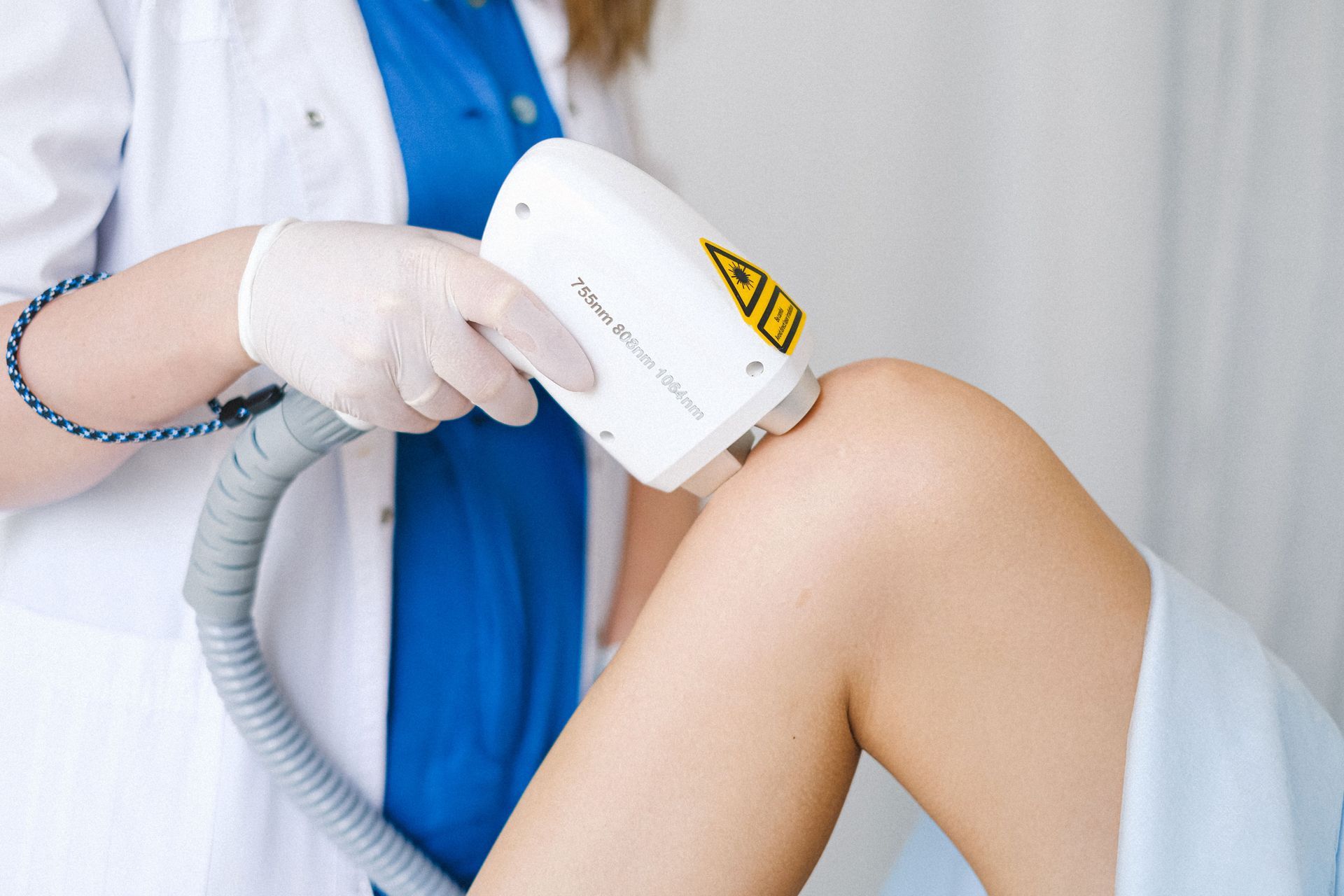
Sessions involve positioning the laser device over the affected area while light energy is delivered in controlled doses, with treatment duration based on tissue depth and the condition being addressed. The process is comfortable, involving no heat sensation or discomfort during application, and is integrated into your scheduled therapy appointments rather than requiring separate visits.
Discuss whether laser therapy fits within your rehabilitation plan during your evaluation.
What Laser Therapy Adds to Rehabilitation Programs
Laser therapy is used alongside movement-based rehabilitation rather than as a standalone treatment, supporting conditions like tendon injuries, muscle strains, and joint inflammation where tissue healing timelines affect rehabilitation progression. The treatment may reduce pain levels during phases when inflammation limits exercise tolerance, allowing manual therapy and strengthening exercises to proceed more comfortably.
Treatment sessions are brief, typically lasting several minutes depending on the tissue area being addressed. The therapy requires no preparation or recovery period, meaning you transition directly to exercises or manual treatment during the same appointment. Laser therapy is applied during specific phases of your program when tissue inflammation or pain levels would otherwise slow rehabilitation progress.
The decision to include laser therapy depends on your condition's nature, tissue healing stage, and how inflammation is affecting your ability to participate in active rehabilitation. Not all patients require or benefit from laser therapy, and candidacy is determined based on your evaluation findings and treatment response.
Patients considering laser therapy often want to understand how the technology works within their broader treatment plan and what to expect during sessions.
What does light energy do to promote healing?
Specific wavelengths penetrate tissue and interact with cells in inflamed or injured areas, potentially influencing cellular processes related to inflammation reduction and tissue repair at the microscopic level.
How is laser therapy integrated with other treatments?
It is applied during your regular physical therapy appointments, typically before manual therapy or exercise sessions, to address inflammation that may be limiting your movement tolerance or causing discomfort during active treatment.
What conditions are appropriate for laser therapy?
Soft tissue injuries involving tendons, ligaments, or muscles where inflammation or healing timelines are affecting rehabilitation progress may benefit, with appropriateness determined during your comprehensive evaluation.
When during rehabilitation is laser therapy most useful?
It is often applied during early inflammatory phases or when tissue healing plateaus, providing support during periods when pain or inflammation would otherwise limit your ability to progress with strengthening and mobility work.
How does treatment feel during application?
You feel minimal to no sensation during laser therapy sessions, as the light energy penetrates tissue without creating heat or discomfort, making it appropriate for sensitive or acutely inflamed areas in patients throughout Boise.
Answers to Frequent Laser Therapy Questions
Advance Physical Therapy incorporates LightForce Laser Therapy when appropriate for your specific soft tissue condition and rehabilitation phase. Schedule a consultation to determine whether this treatment aligns with your recovery needs.